As an avid reader, there's nothing I love more than getting lost in a great book. For years, I devoured epic novels, often staying up late, completely engrossed in the story. However, this passion came with a hidden cost: persistent neck and wrist pain. I was constantly searching for ways to enjoy my reading without discomfort, looking for effective strategies for preventing reading pain and making my long sessions truly comfortable. This is my personal story of finding those solutions.
My love for reading isn't just a hobby; it's a huge part of who I am. I remember last year, I went through so many books, especially thick ones, because I could finally listen to my favorite podcasts or music with earbuds at work, allowing me to focus entirely on the pages in front of me. But the joy was often overshadowed by a familiar ache.
Holding those weighty tomes, especially those with hundreds of pages, became a real physical challenge. I’d try all sorts of positions: propping the book at the base with one hand and using my thumb to hold the pages open. This felt like a good initial strategy, but after an hour or so, my thumb would cramp, and my wrist would start to throb. My neck, constantly bent at an awkward angle, would stiffen up, turning what should have been a relaxing escape into a painful endurance test. It was quite a challenge, to say the least.
I tried keeping the book in my lap, thinking it would ease the burden, but then I'd have to hunch over more, which just shifted the strain from my wrists to my neck and shoulders. It felt like a never-ending cycle of discomfort. I knew there had to be a better way to enjoy my literary adventures without sacrificing my physical well-being. The thought of giving up physical books was unbearable, so I became determined to find practical solutions.
My quest for pain-free reading led me to experiment with various methods, and through trial and error, I discovered several game-changers. These weren't just theoretical tips; they were real-world solutions that transformed my reading experience.
One of the first and most impactful suggestions I received was to try an e-reader. I was hesitant at first; I loved the feel of paper in my hands and the smell of the ink. But my persistent wrist and neck pain forced me to be open-minded. I finally gave in and bought a Kindle, and honestly, it was a revelation! The difference was immediate and profound.
Suddenly, I was holding a device that weighed mere ounces, regardless of how long the book was. No more struggling to keep huge books open or worrying about dropping them. The adjustable font size also meant less squinting, which I hadn't even realized was contributing to my overall fatigue. For anyone, especially those with conditions like arthritis, an e-reader can truly be a lifesaver. It completely changed my approach to those epic, doorstopper novels.
While e-readers were fantastic, I still cherished my physical books. So, I continued to seek ways to read them comfortably. One simple yet effective trick I learned was using cushions. I started propping my books on a cushion, which elevated the book closer to eye level and reduced the need to bend my neck so much. This small adjustment made a significant difference in my neck comfort.
Another, perhaps less conventional, method I tried was lying on my back. Now, this one comes with a humorous caveat! While it did relieve my neck and wrist strain for a while, it also led to me dropping a heavy book on my face more than once. Nothing quite wakes you up at night like the thud of a large novel hitting your nose! So, while it can offer temporary relief, it’s certainly not for every reading situation, and definitely not when you're sleepy.
After finding ways to manage my physical posture and the weight of my books, I noticed another subtle yet persistent issue: eye strain. Especially after long reading sessions, whether on my e-reader or with a physical book under less-than-ideal lighting, my eyes would feel tired, dry, and sometimes even a little blurry. I realized that achieving true reading comfort wasn't just about my body; it was also about protecting my vision.
This led me down a path of exploring solutions for eye comfort, particularly for extended periods of focus. I started looking into blue light reading glasses, not just for screens, but for any situation where my eyes were working hard. During my search, I discovered Mozaer Optical, a brand that caught my attention with their stylish yet practical eyewear options. I was specifically looking for something that offered clear vision while also filtering out potentially harmful blue light, which can contribute to eye fatigue.
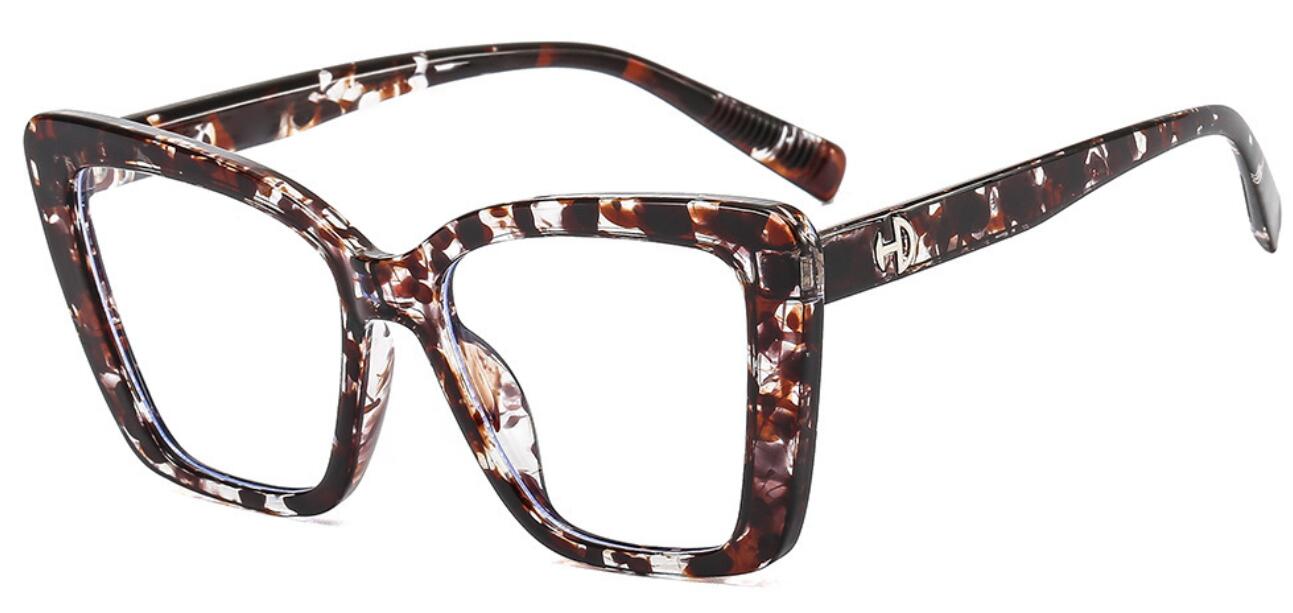
I decided to try their Oversize Blue Light Reading Glasses. I chose a pair in the +1.5 magnification, though they offer various strengths like +1.75 and +3, and even 0-clear for those who just need blue light protection without magnification. The frames were described as TR90, which means they're incredibly light and durable, a huge plus for someone like me who often forgets they're wearing glasses. I opted for the beautiful tortoiseshell design, which added a touch of elegance to my reading setup.
Using these glasses made an immediate difference. My eyes felt less fatigued, even after hours of reading. The subtle blue light filter seemed to reduce the harshness, especially when reading from backlit screens or in rooms with artificial lighting. It wasn't just about preventing eye strain from screens; it was about creating a more comfortable and relaxed visual experience overall. These Mozaer glasses quickly became an essential part of my reading toolkit, allowing me to dive deeper into stories without the nagging eye discomfort.