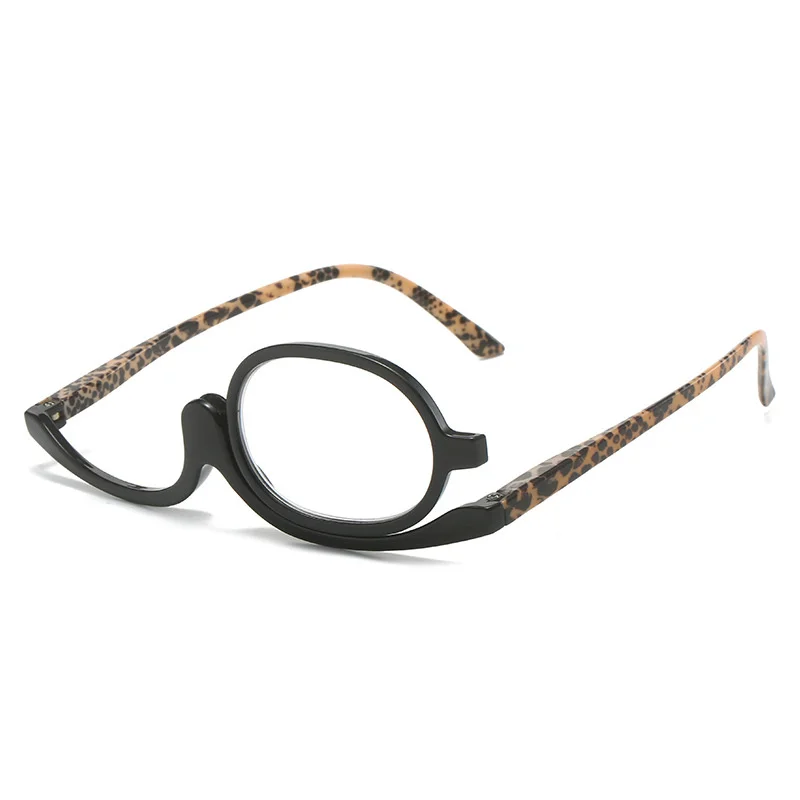
Have you ever picked up an inexpensive pair of reading glasses, hoping for a quick vision fix, only to end up completely let down? I’ve been there. For years, I went through one cheap magnifier after another, each one pledging convenience but bringing nothing but hassle. Looking back, I’m amazed at how much time and money I threw away.
All told, I’ve probably spent hundreds on fragile frames, blurry lenses, and glasses that simply didn’t do the job. Every buy was a minor drain on my finances and a major test of my patience. Trying to see clearly—whether for putting on makeup or reading fine print—became a daily chore. If only I’d had today’s knowledge back then.
My vision woes began with the appeal of a low price tag. You spot a pair of reading glasses for just a few bucks and think, “What’s the harm? It’s only a simple magnifier.” But “cheap” often translates to “poor quality,” a truth I discovered through bitter experience. I’ve been stung by online shops that felt more like traps.
One incident stands out. I ordered a budget pair from what seemed like a legitimate site. After nearly a month, nothing showed up. I reached out to customer service, and they assured me a manager would call. That call never came. When I phoned again, the representative said they were too busy to speak. It was possibly the worst shopping experience I’ve ever had. The site only allowed positive reviews, which felt completely unjust. It really made me rethink where I was putting my money.
That episode taught me a crucial lesson: rock-bottom prices often conceal serious issues. The initial savings aren’t worth the agony of terrible service, lost orders, or glasses that fall apart within days. Reliable communication, helpful support, and sturdy construction are usually the first things to vanish when a deal seems too good to be true.
Verdict: Be wary of extremely low prices. They can end up costing you more in stress and letdowns over time.
It’s tempting to trust slick advertisements that make a product seem perfect. I fell for it more than once. Plenty of inexpensive readers claim to offer sharp vision, a comfortable fit, and long-lasting build. But the reality never matched the hype. The lenses were frequently distorted, straining my eyes instead of helping them. The frames felt like they might crack at any moment.
I came to see I was purchasing a fantasy, not a functional product. The ads depicted people reading with ease, while I was stuck squinting, battling headaches, and fiddling with flimsy glasses. This cycle of hope followed by disappointment was utterly draining. I assumed all reading glasses were basically alike and that cheaper models were simply a bargain. I couldn’t have been more mistaken.
What I actually needed wasn’t just “reading glasses,” but a real solution for close-up work, particularly something handy for applying makeup. I wish I’d paid more attention to specific features and genuine benefits rather than just attractive promotional images.
Verdict: Don’t rely on glossy photos alone. Dig deeper for actual features and authentic customer opinions.
My greatest regret? Skipping the research. I’d often buy the first pair of reading glasses that looked acceptable or was on promotion. I rarely checked multiple reviews, compared brands, or sought out features that would genuinely simplify my routine. I was just after a fast remedy for my aging eyesight.
I should have asked myself: